
Complete 2026 Guide
Pakistan China free trade agreement benefits remain seriously underused by Pakistani exporters. The government utilized only about 4% of the tariff lines available for concessions in one recent review year. China, by comparison, used roughly 60% of its own. This guide explains what the agreement actually offers, which products qualify, and how to actually claim these benefits instead of leaving them on the table.
What the Pakistan China Free Trade Agreement Actually Covers
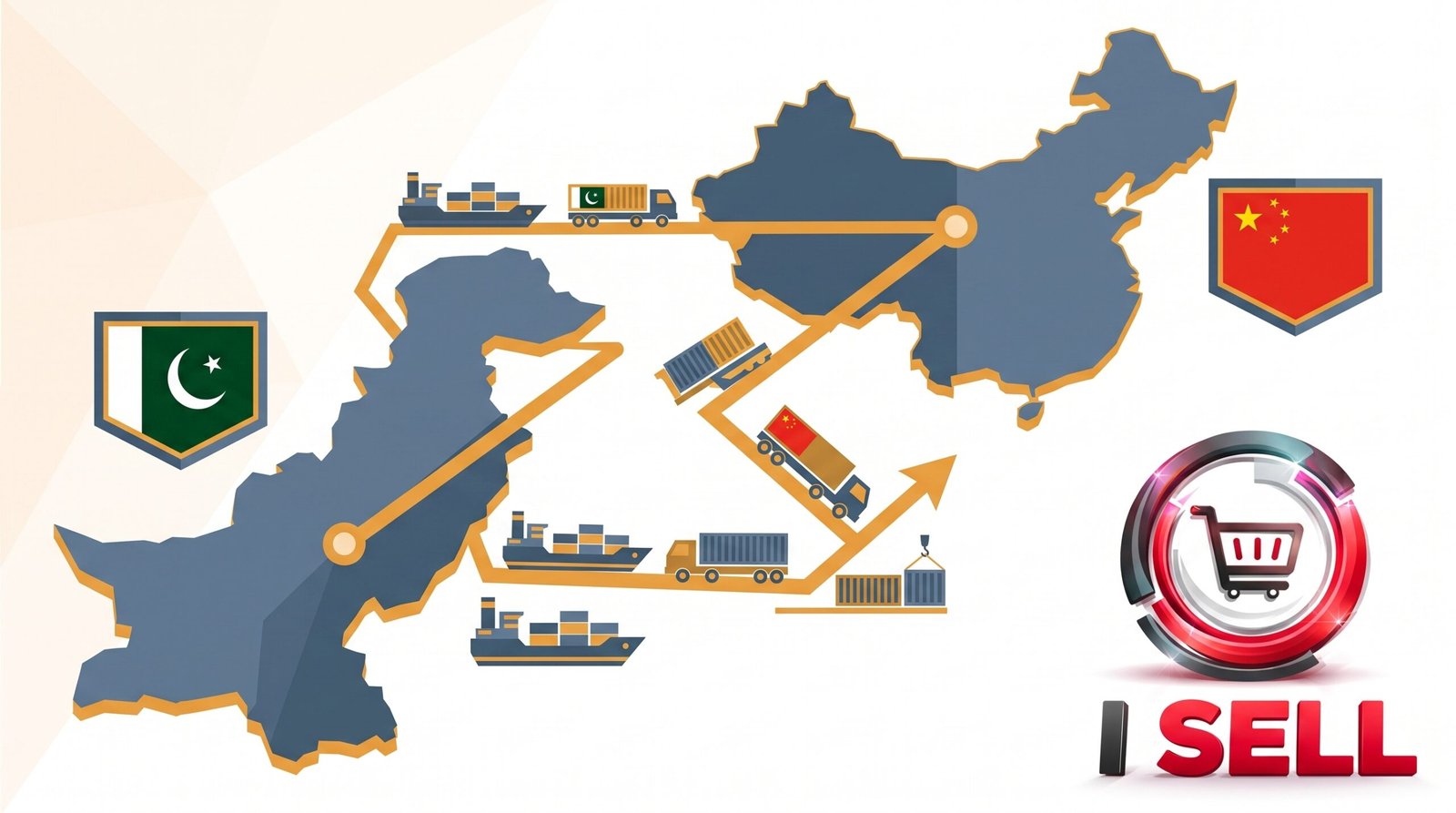
China and Pakistan first signed the agreement in November 2006, with Phase I becoming operational in July 2007. Under Phase I, Pakistan offered tariff concessions on 6,711 items to China. China offered concessions on 6,418 items to Pakistan in return.. This phase increased bilateral trade between the two countries by 242% between 2007 and 2018.
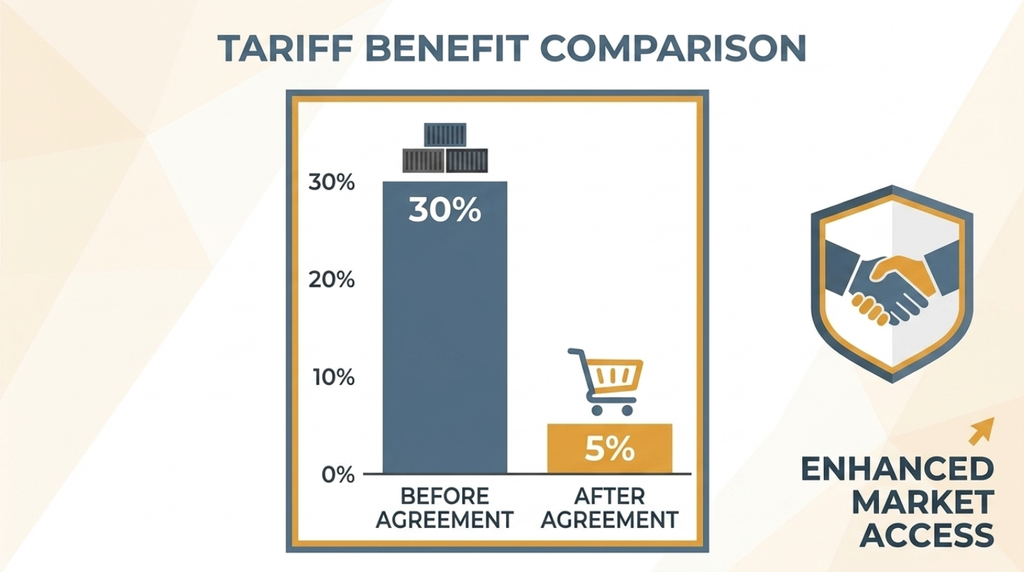
Phase II, also called CPFTA-II, entered into force on January 1, 2020, and runs through 2024 for full implementation. Under this phase, both countries agreed to liberalize 75% of tariff lines — China over 10 years, Pakistan over 15 years. China immediately eliminated tariffs on 313 of Pakistan’s most priority export lines the moment the agreement took effect.
Which Products Actually Benefit
China’s concessions under Phase II cover a genuinely wide range of Pakistani export categories. These include textiles and garments, seafood, meat and animal products, prepared foods, leather, chemicals, plastics, oil seeds, and footwear. On the agricultural side, Pakistani fruits, vegetables, and cotton now enter China duty-free under several tariff lines.
Analysis from the Pakistan Business Council found something notable. On over 80% of the product lines China imports under CPFTA-II, Pakistan now receives tariffs equal to or better than China’s other major trading partners. Around 45% of covered tariff lines now offer completely duty-free access into China — a real competitive advantage if you’re exporting in one of these categories.
Why So Few Pakistani Exporters Actually Use This
Despite these genuine concessions, Pakistan’s trade deficit with China has grown substantially. It rose from roughly 25% of Pakistan’s total trade deficit in 2007 to about 35% by 2018. Much of this imbalance comes down to underutilization on Pakistan’s side, not a lack of available benefits.
Common reasons exporters miss out include not knowing their product’s correct HS code classification under the agreement, not obtaining the required Certificate of Origin, or simply not being aware that their specific product category qualifies for reduced or zero tariffs in the first place.
How to Claim Pakistan China Free Trade Agreement Benefits
- Identify your product’s HS code and check whether it falls under a CPFTA-II concession line. This determines your actual tariff rate into China.
- Confirm your product qualifies for preferential origin status. Generally, this means the product was substantially manufactured or transformed in Pakistan, not simply relabeled after import from elsewhere.
- Obtain a Certificate of Origin from your relevant Chamber of Commerce, since Chinese customs requires this document to apply the reduced tariff rate at entry.
- Work with a customs agent familiar with CPFTA-II specifically, since general customs knowledge doesn’t always cover the agreement’s specific rules of origin and documentation requirements.
- Track any safeguard measures that might apply to your product category, since Phase II strengthened protections that can temporarily suspend reduced rates if a product causes injury to China’s domestic industry.
Common Problems and How to Handle Them
Problem: You’re not sure if your product qualifies for reduced tariffs.
Way out: check your product’s HS code against the current CPFTA-II tariff schedule directly, or consult a licensed customs agent who specializes in China-bound exports. Don’t assume your category doesn’t qualify without checking, since coverage is broader than most new exporters expect.
Problem: You don’t have a Certificate of Origin process set up yet.
Way out: this ties directly into your Chamber of Commerce membership, which most exporters need anyway for broader trade documentation. Get this relationship established early, since obtaining the certificate becomes routine once you’re a registered member.
Problem: Chinese customs rejected your shipment’s preferential rate claim.
Way out: this usually comes down to incomplete or inconsistent documentation between your Certificate of Origin, invoice, and declared HS code. Double-check that all three match exactly before your next shipment, since even small inconsistencies can disqualify a preferential rate claim.
Problem: You’re competing with better-positioned exporters from other countries in the same category.
Way out: review whether your specific tariff line’s China concession is genuinely competitive with what other countries receive. Research from the Pakistan Business Council tracks exactly this comparison, and it’s worth checking before assuming the agreement automatically gives you an edge.
Final Thoughts on the Pakistan China Free Trade Agreement
Pakistan China free trade agreement benefits genuinely exist and cover a wide range of export categories, but they only help exporters who actually claim them properly. Confirm your HS code, secure your Certificate of Origin, and work with a customs agent experienced in China-specific trade rules. Most of the missed opportunity here comes down to underuse, not a lack of real benefit.
Suggested internal links (add where relevant):
Suggested external links (authoritative sources):
Tags: Pakistan China free trade, CPFTA phase 2 Pakistan, China Pakistan tariff concessions, certificate of origin CPFTA, Pakistan exports China, China Pakistan trade deficit, HS code CPFTA Pakistan, duty free access China, Pakistan Business Council trade, China Pakistan Economic Corridor trade